Beef Tenderloin with Balsamic Glaze
Highlighted under: Warm & Hearty Dishes
When I first tried making Beef Tenderloin with Balsamic Glaze, I couldn't believe how tender and flavorful the meat turned out. I've always loved the richness of beef, and the tangy sweetness of balsamic vinegar creates an incredible contrast. After perfecting the timing and seasoning, I now savor it as my go-to recipe for special occasions or simply to impress guests. This dish serves as a delightful centerpiece that is sure to elevate any dining experience, leaving everyone asking for seconds.
During my culinary journey, I stumbled upon the idea of a balsamic glaze that not only enhances flavor but also adds a beautiful sheen to the dish. The first time I drizzled it over the beef and watched it caramelize, I knew I had discovered something special. The balance of sweet and savory made each bite heavenly, which is why I must share this culinary gem.
As I experimented with different herbs and spices, I found that rosemary complements the dish perfectly. It adds a lovely aroma while the balsamic glaze does its magic. I now serve it with roasted vegetables for a wholesome meal that never fails to impress!
Why You'll Love This Recipe
- Rich beef flavor balanced with a sweet and tangy glaze
- Quick prep and cook time, perfect for weeknight dinners
- Impressive presentation that’s ideal for special occasions
Understanding Beef Tenderloin
Beef tenderloin is renowned for its exceptional tenderness and rich flavor, making it a favorite cut for special occasions. The choice of meat is critical in this dish; a well-marbled tenderloin ensures a juicy texture. When selecting your tenderloin, look for a vibrant red color and a generous amount of marbling, which adds flavor and moisture during cooking. If tenderloin isn't available, a ribeye roast could be a flavorful alternative, though it may not match the same tenderness.
The cooking method plays a vital role in achieving perfectly cooked tenderloin. Searing the beef in a hot skillet not only enhances the flavor through caramelization but also creates a beautiful crust that locks in juices. Take care not to overcrowd the skillet; this can cause the temperature to drop and result in steaming rather than searing. For an ideal crust, aim for a skillet temperature of around 400°F (200°C) before adding the meat.
Mastering the Balsamic Glaze
The balsamic glaze is the star of this recipe, providing a sticky, sweet, and tangy finish that elevates the beef. The reduction of balsamic vinegar not only thickens the sauce but also intensifies its flavor, making it more concentrated. If you're in a hurry, you can use store-bought balsamic glaze as a shortcut, but making it from scratch allows for a more nuanced flavor profile. Just be sure to simmer it until it coats the back of a spoon for the best consistency.
If you're looking to customize the glaze, consider adding a splash of soy sauce for umami depth or a teaspoon of Dijon mustard for added complexity. These variations can enhance the flavor without compromising the original intention of the dish. Nevertheless, avoid adding too many ingredients that could overwhelm the delicate balance of flavors, and always taste as you go to ensure it meets your preference.
Serving and Pairing Suggestions
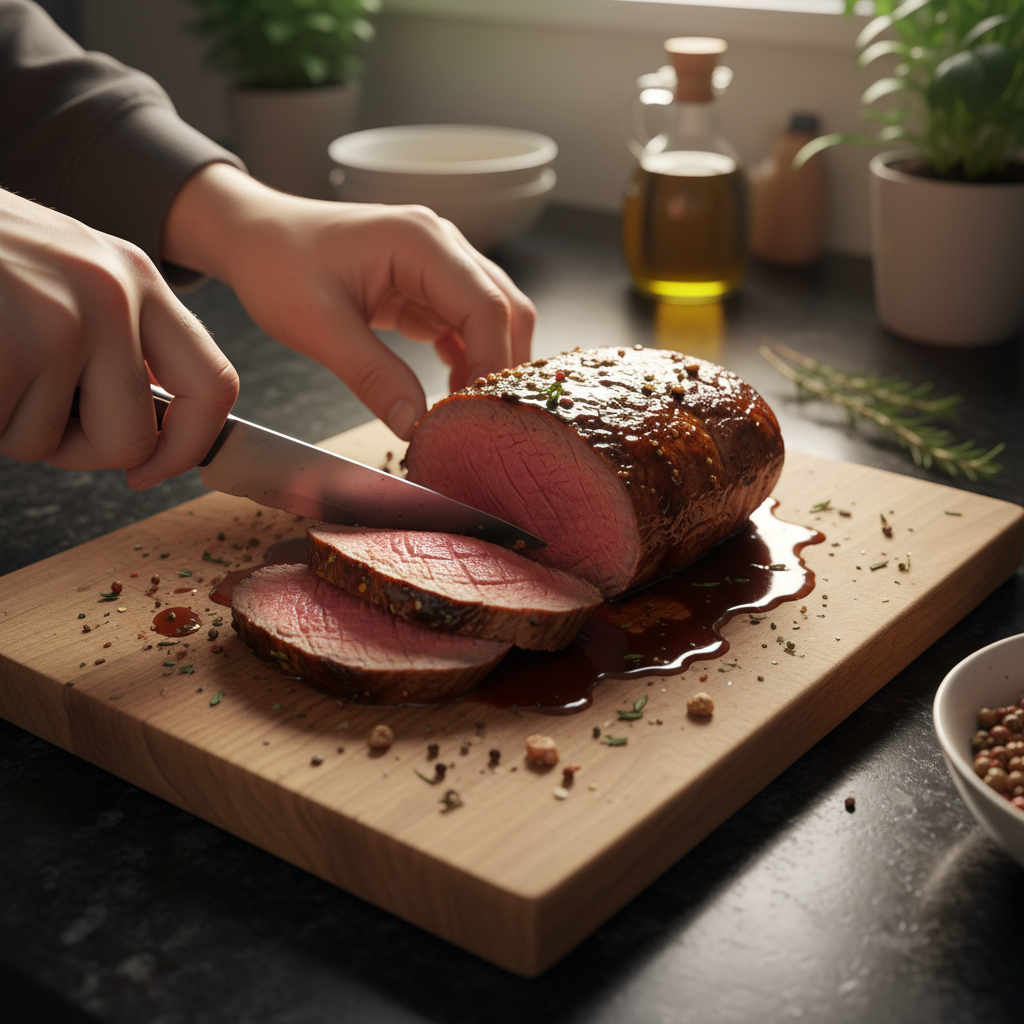
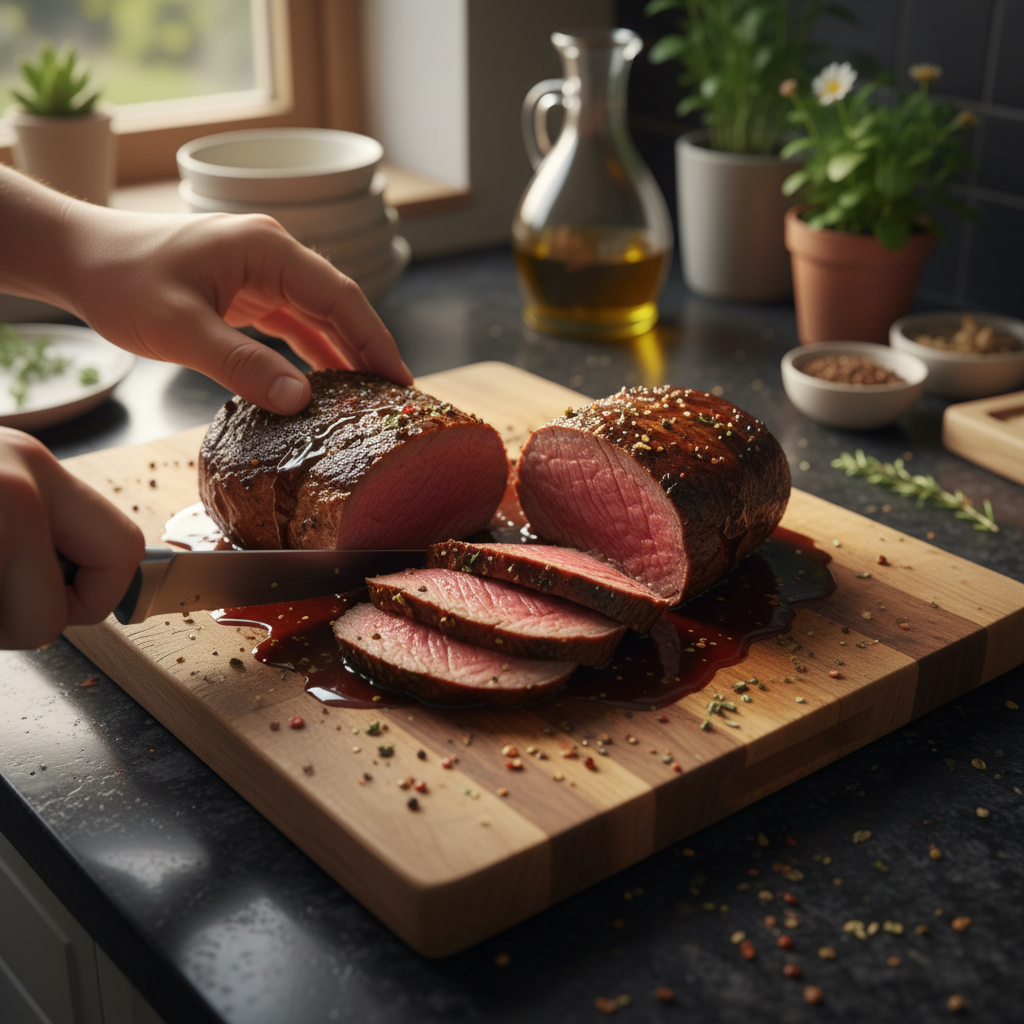
When it comes to serving your beef tenderloin, presentation is key. Slice the meat against the grain into thick medallions to showcase its tenderness. Drizzle the balsamic glaze over the slices and garnish with fresh rosemary for an elegant touch. I like to serve this dish with a side of creamy mashed potatoes or roasted seasonal vegetables, which complement the robust flavors of the beef beautifully.
This dish pairs wonderfully with a bold red wine, such as a Cabernet Sauvignon or Merlot, which can stand up to the richness of the beef. If you're entertaining guests, consider setting up a small tasting station with wine options alongside your meal. For leftovers, store the beef in an airtight container in the refrigerator for up to three days. Gently reheat in a skillet on low heat, adding a splash of water or broth to keep it moist.
Ingredients
Gather these ingredients to create a succulent and flavorful beef dish.
Ingredients
- 2 lbs beef tenderloin
- 1 cup balsamic vinegar
- 2 tablespoons brown sugar
- 2 tablespoons olive oil
- 3 cloves garlic, minced
- 1 teaspoon fresh rosemary, chopped
- Salt and pepper to taste
Having all the ingredients ready will make the cooking process seamless and enjoyable.
Instructions
Follow these steps to create a perfectly cooked beef tenderloin with an irresistible glaze.
Prepare the Marinade
In a small saucepan, combine balsamic vinegar, brown sugar, minced garlic, and rosemary. Bring to a boil over medium heat. Reduce heat to low and simmer until thickened, about 10 minutes. Set aside.
Season the Beef
Pat the beef tenderloin dry with paper towels. Rub with olive oil and season generously with salt and pepper.
Sear the Beef
Heat a skillet over high heat. Once hot, add the beef and sear for about 4-5 minutes on each side until browned.
Roast in the Oven
Transfer the seared beef to a preheated oven at 400°F (200°C) and roast for 20-25 minutes, or until it reaches your desired doneness.
Glaze the Beef
Remove the beef from the oven and let it rest for 10 minutes. Pour the balsamic glaze over the beef, allowing it to absorb the flavors before slicing.
Enjoy the dish with your favorite sides and a glass of red wine.
Pro Tips
- For an extra dimension of flavor, marinate the beef in the balsamic mixture for a few hours before cooking. This will enhance the taste further.
Key Techniques for Perfecting Your Dish
Timing is essential when cooking beef tenderloin to achieve your desired doneness. For medium-rare, aim for an internal temperature of 130°F (54°C) to 135°F (57°C). Use a reliable meat thermometer to check, inserting it into the thickest part of the tenderloin. Remember that the beef will continue to cook slightly while it rests, so taking it out a few degrees before your target temperature is wise to avoid overcooking.
Allowing the beef to rest after roasting is crucial for retaining its juices. Ten minutes is sufficient; this period lets the meat relax, redistributing the juices that have moved to the surface during cooking. If you cut into it too quickly, you risk losing those flavorful juices, resulting in a drier bite. To cover, use aluminum foil loosely to keep the heat in without steaming the exterior.
Ingredient Substitutions and Variations
If you want to make this recipe more accessible or alter its flavor profile, consider using a different cut of beef, such as filet mignon or sirloin steak. Both provide robust flavors and can be prepared similarly. Additionally, you can substitute balsamic vinegar with red wine vinegar or apple cider vinegar, but keep in mind the glaze may require a bit more brown sugar to achieve the desired sweetness.
For an herbaceous twist, feel free to swap out rosemary for fresh thyme or savory, which will impart their unique aromatic qualities. Each herb brings a new layer of flavor to the dish, enhancing the overall dining experience without straying too far from the original recipe. Just use a similar amount to maintain balance in the glaze.
Storage and Reheating Tips
If you have leftovers, store the sliced beef tenderloin in an airtight container in the refrigerator for up to three days. To keep the meat from drying out, wrap it tightly with plastic wrap before placing it in the container. If the glaze thickens too much after the beef has cooled, try drizzling in a little balsamic vinegar or broth when reheating to restore some moisture.
When reheating, opt for low heat rather than using the microwave, as this can quickly dry out the meat. Gently warm the beef in a skillet over low heat, adding a splash of water or broth. Cover the pan to create a steaming effect that will help retain moisture. This simple step ensures each bite remains juicy, just as it was when freshly made.
Questions About Recipes
→ Can I use other cuts of beef?
Yes, you can adapt this recipe to other cuts like ribeye or strip steak, but adjust cooking times accordingly.
→ How do I know when the beef is done?
Use a meat thermometer; for medium-rare, aim for an internal temperature of 130°F (54°C).
→ Is balsamic glaze the same as balsamic vinegar?
Not exactly. Balsamic glaze is a reduced form of balsamic vinegar, but you can use regular balsamic vinegar as a substitute, though it won’t be as thick.
→ Can this dish be made ahead of time?
You can prepare the glaze in advance, but it's best to cook the beef fresh for optimal tenderness.
Beef Tenderloin with Balsamic Glaze
Created by: The Recipesbyleo Team
Recipe Type: Warm & Hearty Dishes
Skill Level: Intermediate
Final Quantity: 4 servings
What You'll Need
Ingredients
- 2 lbs beef tenderloin
- 1 cup balsamic vinegar
- 2 tablespoons brown sugar
- 2 tablespoons olive oil
- 3 cloves garlic, minced
- 1 teaspoon fresh rosemary, chopped
- Salt and pepper to taste
How-To Steps
In a small saucepan, combine balsamic vinegar, brown sugar, minced garlic, and rosemary. Bring to a boil over medium heat. Reduce heat to low and simmer until thickened, about 10 minutes. Set aside.
Pat the beef tenderloin dry with paper towels. Rub with olive oil and season generously with salt and pepper.
Heat a skillet over high heat. Once hot, add the beef and sear for about 4-5 minutes on each side until browned.
Transfer the seared beef to a preheated oven at 400°F (200°C) and roast for 20-25 minutes, or until it reaches your desired doneness.
Remove the beef from the oven and let it rest for 10 minutes. Pour the balsamic glaze over the beef, allowing it to absorb the flavors before slicing.
Extra Tips
- For an extra dimension of flavor, marinate the beef in the balsamic mixture for a few hours before cooking. This will enhance the taste further.
Nutritional Breakdown (Per Serving)
- Calories: 380 kcal
- Total Fat: 26g
- Saturated Fat: 15g
- Cholesterol: 195mg
- Sodium: 85mg
- Total Carbohydrates: 32g
- Dietary Fiber: 3g
- Sugars: 24g
- Protein: 6g